Table of Contents
I find myself coming back to earthy organic interiors often, especially in spaces that need to feel calm without looking flat or overly styled. There is something about natural materials, soft textures, and grounded color palettes that just works in real homes. It feels lived-in, in a good way - not messy or overly curated. Earthy Organic spaces are not about perfection. These spaces feel connected to nature and comfortable to be in every day.
What Earthy Organic Design Style Really Is
Earthy organic design focuses on natural materials, soft structure, and a color palette pulled straight from nature.
You will typically see:
Warm neutrals instead of stark whites
Real or natural-looking materials like wood, stone, linen, and clay
Subtle layering instead of bold contrast
Shapes that feel soft and slightly imperfect
Earthy Organic style overlaps with styles like organic modern and warm minimalism, but it leans a bit more grounded and less polished.
Why This Style Works So Well
There is a reason this look has stayed popular. It solves a lot of common design problems without trying too hard:
It creates warmth without relying on dark colors. You can keep a space light and still make it feel inviting.
It hides wear and tear better than cooler, high-contrast interiors. Natural textures and tonal variation make everyday life less noticeable.
It adapts easily. You can mix in modern pieces, vintage finds, or even coastal elements without breaking the overall feel.
The Key Elements That Define the Look
1. Natural Materials
This is the foundation of the style.
Think:
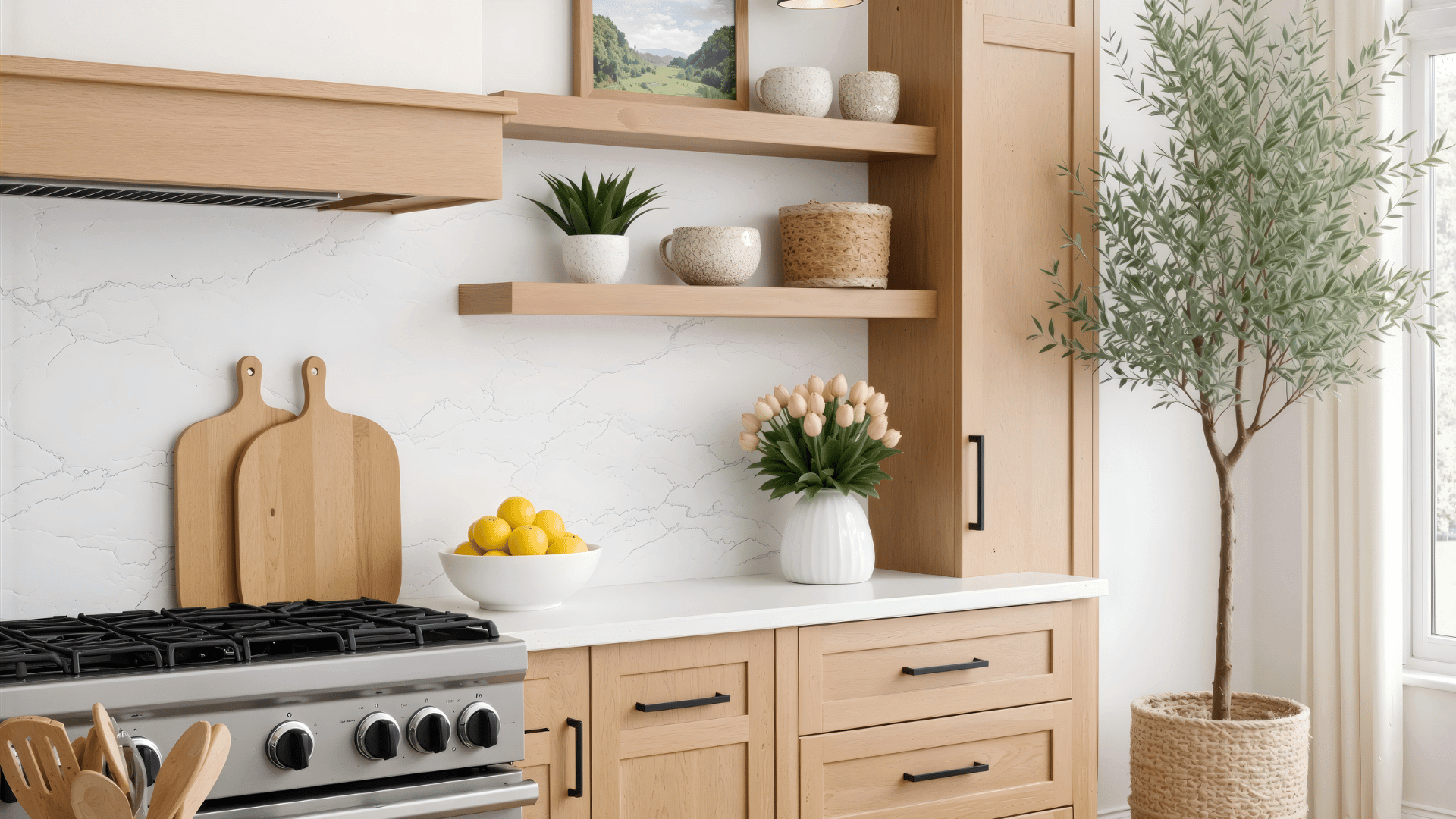
Light to medium wood tones
Linen and cotton fabrics
Stone, ceramic, and clay accents
Woven textures like jute or rattan
The goal is variation. Nothing should feel too uniform or synthetic.
2. Soft, Earth-Based Color Palettes
Instead of sharp or saturated colors, an Earthy Organic palette stays within a warm, grounded range.
Common colors include:
Warm whites and creams
Beige and sand tones
Soft browns and taupes
Muted, earthy greens like olive or sage
Occasional clay or terracotta accents
These colors reflect those found in nature. You can play with
3. Texture Over Pattern
Pattern is minimal here - let texture do most of the work.
You might layer:
A nubby linen sofa
A slightly rough wood table
A matte ceramic vase
A soft woven rug
Each piece adds depth without making the space feel busy.
4. Imperfect, Organic Shapes
Furniture and decor often have:
Rounded edges
Handcrafted details
Slight irregularities
This keeps the space from feeling too rigid or modern.
How Color Works in Earthy Organic Interiors
Color in this style is more about layering. You can include a mix of light to dark colors, but keep everything grounded.
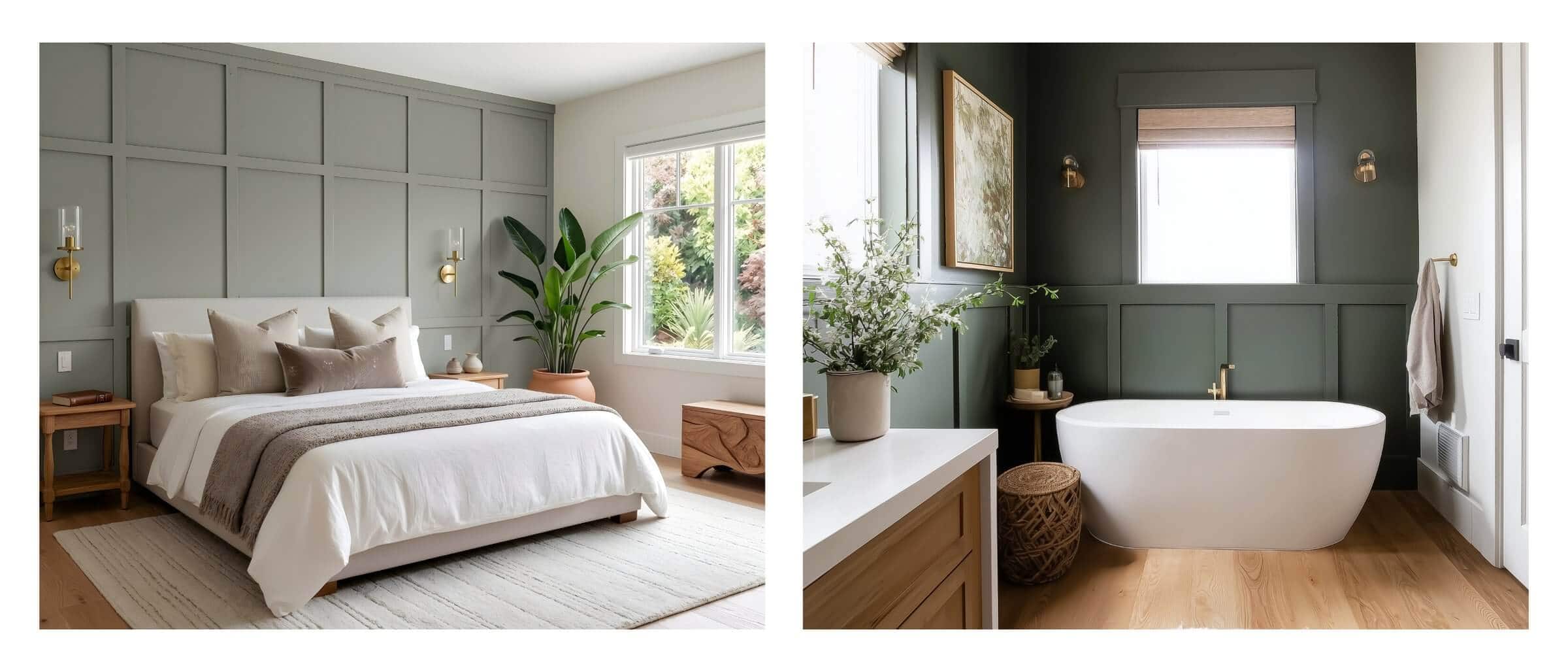
For example:
A warm white wall
A slightly deeper beige sofa
Medium wood tones
A muted light or deep green accent
Nothing jumps out, but the space still feels rich.
Lighting plays a big role here. In bright rooms, these colors can look lighter and softer. In lower light, they deepen and feel more grounded.
How to Bring This Style Into Your Home
You do not need to start from scratch to get this look.
Start with the larger elements:
Choose a warm neutral wall color
Add a natural fiber rug
Bring in wood through furniture or accents
Then layer in smaller pieces:
Linen or cotton textiles
Ceramic or stone decor
Woven baskets or trays
Keep editing as you go. This style works best when it does not feel overfilled. Finish your spaces with potted greenery and plants.
Common Mistakes to Avoid
Even though this style is simple, there are a few ways it can go off track.
Using colors that are too cool
Cool grays and stark whites can break the warmth.
Over-matching everything
If all the wood tones or fabrics are identical, the space can fall flat.
Adding too many trendy pieces
This style works best when it feels timeless, not overly styled.
Skipping contrast entirely
While subtle, you still need some variation in tone to keep the space from looking washed out.
My Final Take
Earthy Organic design is a style that feels easy to live with long term. It is not tied to sharp trends, and it does not rely on bold statements to feel complete.
It is more about restraint, layering, and choosing materials that age well over time.When you get this balance right, the space ends up feeling calm, warm, and quietly put together.
If you love this look, I created the Earthy Organic paint palette designed around this design style. It includes warm whites, soft beiges, muted greens, and a few grounding deeper shades that all work together naturally.
It is available in Sherwin Williams and Benjamin Moore colors, and it takes the guesswork out of layering these shades in your home.
I’ve linked both options below if you want to take a closer look :)
Happy Painting,
Millie
Earthy Organic Sherwin Williams Paint Palette, Interior Paint Colors for Home, Modern Neutrals, Warm and Cozy, Neutral Ground
$28.00
The Earthy Organic paint palette was professionally created with Sherwin Williams paint colors, and features many best-selling colors.I have carefully selected a range of 9 colors for this palette, and included options for walls, trim, furniture, cabinets and doors. Sherwin… read more

Earthy Organic Benjamin Moore Paint Palette, Interior Paint Colors for Home, Modern Neutrals, Warm and Cozy, Soft Chamois
$28.00
The Earthy Organic paint palette was professionally created with Benjamin Moore paint colors, and features many best-selling colors.I have carefully selected a range of 9 colors for this palette, and included options for walls, trim, furniture, cabinets and doors. Benjamin… read more

FAQs
Is Earthy Organic similar to Modern Farmhouse?
Not quite. Modern Farmhouse often uses higher contrast, like black and white, more saturated accents, and more structured elements. Earthy organic is softer and more tonal.
Can I use this style in a small space?
Yes! In fact, it works really well in smaller spaces because the use of lighter, layered neutrals keeps things open while the textures add interest. Plus, there's also opportunity to create a cozier vibe, if that's what you're after. This style is very versatile for small spaces.
What paint colors work best for this look?
Look for warm whites, creamy beiges, soft taupes, and earthy greens. Avoid anything too crisp or cool.
Do I need real materials, or can I mix in budget options?
You can absolutely mix. Just focus on finishes that look natural and avoid anything overly glossy or artificial.